

A dog bite can happen in seconds, but the pain, medical bills, and fear that follow can last much longer. You might be dealing with a deep wound, missing work, or worrying about your child’s safety. During this stressful time, one question often comes to mind: Can you sue a dog owner after a bite?
Yes, you may be able to sue a dog owner after a bite in Texas, depending on the facts of the incident and the evidence available. Texas law considers factors such as the owner’s knowledge of the dog’s past behavior, negligence, and the circumstances surrounding the attack.
Knowing your rights can help you decide what to do next. Let’s look at your legal options and how a dog bite attorney in Houston, Texas, can help you understand your next steps.
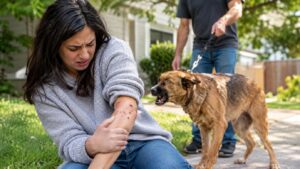
When Can You Sue a Dog Owner in Texas?
Not every dog bite leads to a successful legal claim. However, you may have grounds to seek compensation if the owner knew the dog was dangerous or failed to take reasonable steps to prevent an attack.
Texas generally follows a legal approach that considers the owner’s knowledge of the dog’s dangerous behavior and whether the owner acted carelessly.
You may have a claim if:
- The dog had bitten someone before, and the owner knew about it.
- The owner failed to control or restrain the dog when necessary.
- The dog escaped from a yard because the owner failed to maintain proper fencing.
- The owner allowed the dog to approach others in an unsafe situation.
- You suffered injuries because the owner failed to use reasonable care.
The details matter. A dog bite injury attorney in Houston can review what happened and explain whether the available facts support a claim.
Understanding Texas Dog Bite Laws
Texas does not have a simple rule that makes every dog owner automatically responsible for every bite. Instead, liability often depends on the dog’s history and the owner’s actions.
Two main legal approaches may apply to your situation.
1. The One-Bite Rule
Texas courts may consider whether the owner knew or should have known that the dog had dangerous tendencies. A previous bite can help establish this knowledge, but it is not the only relevant evidence.
For example, if a dog repeatedly tried to attack visitors and the owner knew about this behavior, those facts may support a claim even if no earlier bite occurred.
2. Negligence
You may also have a claim if the owner failed to act with reasonable care.
Suppose a dog owner leaves a gate open, allowing the dog to run into a public area and bite a passerby. Depending on the circumstances, the owner’s failure to prevent the dog from escaping may support a negligence claim.
A dog bite attorney in Houston, Texas, can assess which legal arguments may apply to your case.
What Compensation Can You Recover After a Dog Bite?
A dog bite can affect more than your physical health. It may also cause financial stress, emotional distress, and changes to your daily routine.
Depending on your injuries and the evidence, you may be able to seek compensation for:
- Medical expenses: Emergency treatment, stitches, medication, surgery, and follow-up visits.
- Lost wages: Income you missed while recovering from your injuries.
- Future medical costs: Additional treatment, rehabilitation, or reconstructive surgery when needed.
- Pain and suffering: Physical pain and the emotional impact of the attack.
- Scarring and disfigurement: Lasting marks or changes to your appearance caused by the bite.
The amount you may recover depends on the facts of your case, the seriousness of your injuries, and the evidence supporting your losses. Compensation is not guaranteed simply because a bite occurred.
What Should You Do After a Dog Bite?
Your actions after an attack can protect your health and help preserve important evidence.
Here are some practical steps to follow:
- Get medical care. Even a small wound can become infected. A medical professional can assess the injury and recommend treatment.
- Report the incident. Contact the appropriate local animal control agency or other relevant authority.
- Identify the dog and its owner. Collect their contact details if you can do so safely.
- Take photographs. Document your injuries, damaged clothing, and the location where the attack happened.
- Gather witness information. Names and contact details can help establish what happened.
- Keep your records. Save medical bills, treatment notes, receipts, and proof of missed work.
- Speak with a lawyer. Legal guidance can help you understand your options before you accept a settlement or make decisions about your claim.
Avoid assuming that the owner is automatically liable or that an insurance company will offer fair compensation without question.
How Can a Dog Bite Attorney Help With Your Claim?
After an injury, handling paperwork, medical appointments, and insurance calls can feel overwhelming. A lawyer can help you understand the legal process while you focus on recovery.
An attorney may help by:
- Investigating how the attack occurred.
- Gathering medical records, witness statements, and other evidence.
- Examining whether the owner knew about the dog’s dangerous behavior.
- Identifying potentially responsible parties and applicable insurance coverage.
- Calculating documented losses and evaluating potential compensation.
- Communicating with insurance companies and negotiating a settlement.
- Filing a lawsuit when appropriate.
Choosing among dog bite attorneys in Houston means looking for someone who understands Texas personal injury law and can explain your options clearly.
How Long Do You Have to File a Dog Bite Lawsuit in Texas?
In many Texas personal injury cases, the general deadline for filing a lawsuit is two years from the date of the injury. However, exceptions may apply, including special rules involving injured children or other circumstances.
Missing the applicable deadline can prevent you from pursuing compensation, so it is wise to seek legal advice promptly.
Do not wait until the deadline approaches. Evidence can become harder to obtain as time passes, and witnesses may become more difficult to reach.
Final Remarks:
At Basu Law Firm, getting clear answers about your legal options can be the first step toward moving forward. If a dog owner’s actions caused your injuries, learning where you stand may help you make informed decisions about your recovery and financial future.
Bring the details you have, including medical records, photographs, and information about the incident. A conversation can help you understand the questions that matter, the evidence you may need, and the next steps worth considering.
Your recovery deserves attention, and your concerns deserve to be heard. Take the first step today by reaching out to Basu Law Firm and finding out what options may be available to you.
Legal Disclaimer: This blog is for informational purposes only and does not constitute legal advice. Every case is different. Contact an attorney for advice about your specific situation.