

100% Dedicated to Our Clients' Cause
Slip & Fall in Fort Bend County: What to Do After an Unexpected Injury
One moment, you are walking into a store, apartment complex, restaurant, office, or parking area. The next, you are on the ground trying to understand what happened.
A slip or fall can happen quickly, but the effects can last for weeks or much longer. You may be dealing with pain, medical appointments, missed work, unexpected bills, or uncertainty about who is responsible. If this happened to you in Fort Bend County, knowing what to do next can make an important difference.
At Basu Law Firm, we understand that an injury can leave you with more questions than answers. Taking the right steps after a slip & fall in Fort Bend County can help protect your health, preserve important evidence, and give you a clearer path forward.
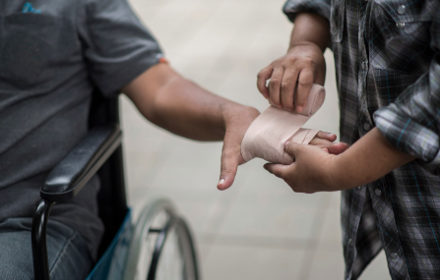
First, Take Care of Your Injury
Your health comes first. After a fall, adrenaline can sometimes make an injury feel less serious than it actually is. Pain, swelling, stiffness, dizziness, or other symptoms may become more noticeable later.
If you are injured, seek appropriate medical attention. Follow your healthcare provider’s instructions and keep records of your treatment.
Medical records can also help show:
- What injuries were diagnosed
- When you received treatment
- What treatment was recommended
- How the injury affects your daily activities
- Whether additional care may be necessary
Do not ignore an injury simply because you were able to stand up and walk away from the accident.
Report the Fall Before Leaving
If your fall happened at a business or on someone else’s property, report it to the property owner, manager, security personnel, or another responsible person as soon as possible.
Ask whether an incident report will be prepared and find out how you can obtain a copy.
You may be thinking, “Should I really report it if I am not sure how badly I am hurt?”
Yes, documenting the incident can be important. Your condition may change after you leave, and having a record of when and where the fall occurred can help establish the basic facts later.
Photograph What Caused You to Fall
If you can safely do so, take photographs of the exact area where the accident happened. Do not rely only on memory.
For example, photograph:
- Water, spills, or other slippery substances
- Broken or uneven flooring
- Damaged stairs or missing handrails
- Cracks or uneven sections of sidewalks
- Poor lighting
- Debris or objects blocking a walking path
- Any warning signs or the absence of warning signs
Try to capture both close-up photographs and wider pictures showing where the dangerous condition was located.
Conditions can change quickly. A spill may be cleaned, a broken surface may be repaired, or an object may be removed. Photographs can help preserve what the area looked like around the time of your fall.

Get Information From Witnesses
Were other people nearby when you fell?
If possible, obtain their names and contact information. A witness may have seen the dangerous condition before you approached it or may have observed what happened immediately afterward.
You should also write down your own account of the accident while the details are fresh. Note where you were, what you noticed before the fall, what caused you to lose your footing or balance, and what happened afterward.
Small details can become important when the circumstances of an accident are later reviewed.
Do Not Rush to Decide Who Is Responsible
After an unexpected injury, it is natural to think, “Someone else must have caused this.” But determining legal responsibility requires looking carefully at the facts.
A property owner, business, or other party may have responsibilities relating to dangerous conditions on their premises. However, not every fall automatically results in a personal injury claim.
Important questions can include:
- What condition caused the fall?
- How long had the dangerous condition existed?
- Did the responsible party know about it?
- Should the condition reasonably have been discovered?
- Was there a warning?
- Were reasonable steps taken to address the hazard?
- What injuries and financial losses resulted?
These questions can be especially important when evaluating a slip & fall in Fort Bend County.
Preserve Your Medical and Financial Records
An unexpected injury can affect much more than your physical health. You may miss work, need transportation to medical appointments, pay for treatment, or require help with everyday activities.
Keep copies of relevant records, including medical bills, treatment information, prescription expenses, proof of lost income, and other documents connected to the accident.
Do not throw away shoes, clothing, or other items involved in the incident if they may help explain what happened.

How Basu Law Firm Can Help After a Fall
At Basu Law Firm, we can review the circumstances of your accident, help you understand your legal options, and discuss the steps that may be appropriate for your situation.
We have more than 12 years of legal practice and have taken on more than 600 personal injury cases. Our approach is results-oriented, and we work to pursue the legal avenues we believe can help protect your rights and interests.
When you work with us, you also have access to our attorneys and staff throughout your case. We understand that after an injury, timely communication matters. Our team is available to respond to questions, discuss your concerns, and help you understand what comes next.
If you are dealing with a slip & fall in Fort Bend County, you do not have to work through every legal question by yourself.
FAQs
What should I do immediately after a slip and fall?
How do I know if my slip and fall may be someone else’s responsibility?
What evidence should I collect after a slip and fall?
Can I pursue a personal injury claim if my injuries appeared later?
When should I contact a personal injury attorney after a fall?
Client Testimonials
After getting injured on someone else’s property, I had many questions about responsibility and my rights. The team at Basu Law Firm listened to my concerns and explained what information mattered for my case.
James T.
I was unsure whether my fall was something I could pursue legally. After discussing the circumstances with Basu Law Firm, I had a much clearer understanding of my situation and the steps I could consider.
Robert H.
Take the Next Step Today!
A fall can leave you wondering what happened, who is responsible, and what you should do next. Start with your health. Report the accident. Preserve evidence. Keep your records. Then get legal guidance based on the facts of your situation.
At Basu Law Firm, we represent clients in personal injury matters and work to pursue the legal avenues that may help protect their rights and interests.
If an unexpected fall has left you injured, contact Basu Law Firm to discuss what happened and learn what options may be available for moving forward.
Contact Us:
Basu Law Firm
Address: Long Point Office, 8612 Long Point, Houston, TX 77055
Phone Number: 713-460-2673
Email: info@basulaw.com
Fax: 281-404-9142