

Imagine slipping on a wet grocery store floor, falling hard, and suffering an injury. You look around, but nobody saw what happened. Does that mean you cannot file a claim? Not necessarily.
If you have suffered a slip and fall injury in Texas, you may still have a valid claim without eyewitnesses. The key is proving how the accident happened, why the property owner may be responsible, and how the injury affected your life.
Here are five important facts to understand before deciding what to do next.
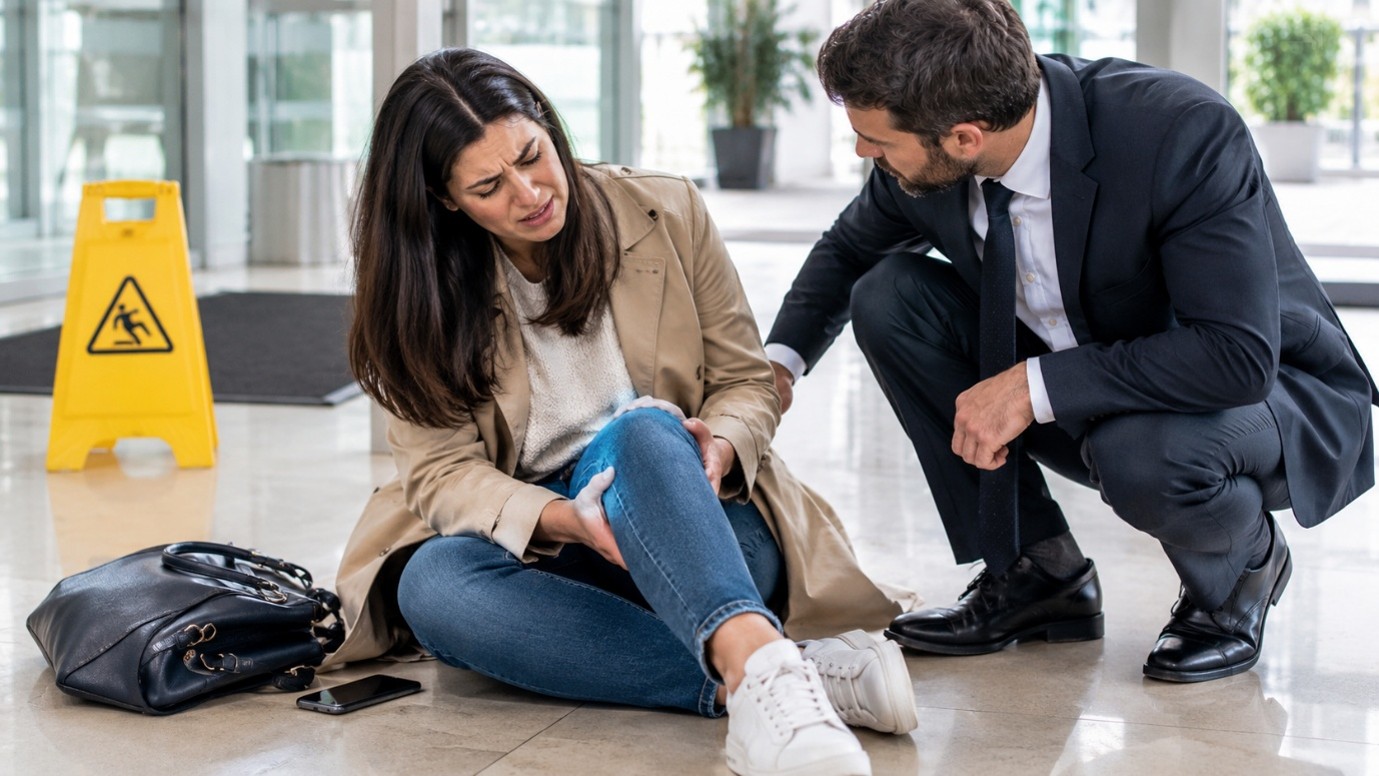
1. You Can File a Claim Without Eyewitnesses
Witnesses can help support your version of events, but they are not always required to pursue a slip and fall claim. Texas law focuses on the available evidence and whether you can establish the elements of a premises liability claim.
For example, if you slipped on a puddle that had been left unattended in a store, other evidence might help explain what happened.
You may support your claim with:
- Photographs and videos: Pictures of the wet floor, damaged steps, poor lighting, or missing warning signs can help show the hazard.
- Incident reports: A report made to the property manager or store staff can document the accident.
- Medical records: These can connect your injuries to the fall and show the treatment you needed.
- Surveillance footage: Security cameras may have recorded the accident, even if nobody witnessed it directly.
A slip and fall attorney in Montgomery, TX, can review these details and help determine whether the available evidence supports your claim.
2. Proving the Property Owner Was Responsible Matters
Getting hurt on someone else’s property does not automatically make the owner legally responsible. Under Texas premises liability law, you generally need to show that a dangerous condition existed and that the property owner had the required knowledge of it.
This often means showing that the owner:
- Created the dangerous condition.
- Knew about the hazard but failed to address it.
- Should have discovered the hazard through reasonable care.
For example, imagine a store employee notices a leaking refrigerator but leaves the water on the floor without placing a warning sign. Even without an eyewitness to your fall, evidence of the leak, inspection records, or surveillance footage may help establish what happened.
The challenge is often proving that the property owner knew or should have known about the hazard. Acting quickly can help preserve useful evidence.
3. Report the Accident and Preserve Evidence Early
After a fall, your first priority should be your health. Seek medical care, even if your symptoms seem manageable at first. Some injuries become more noticeable hours or days later.
Once you are safe, take these steps:
- Photograph the accident scene and the hazard, if possible.
- Report the fall to the property owner, manager, or responsible staff member.
- Request a copy of the incident report, if available.
- Keep medical records, bills, prescriptions, and receipts.
- Write down what you remember about the time, location, and circumstances.
- Ask the property owner to preserve relevant surveillance footage.
Video recordings may be erased or overwritten as part of routine business practices. A written preservation request may help protect important evidence.
Avoid guessing about details you cannot remember. Accurate information is more useful than assumptions when building a claim.
4. Your Compensation Depends on Your Evidence and Losses
Without witnesses, your claim may require more supporting evidence. However, the absence of eyewitnesses does not automatically prevent you from seeking compensation.
Depending on the facts and applicable law, recoverable damages may include:
- Medical expenses related to the injury.
- Lost wages and reduced earning capacity.
- Physical pain and emotional distress.
- Costs of future treatment and rehabilitation.
If you are researching slip and fall compensation in Liberty, remember that compensation depends on the specific circumstances of your accident, the severity of your injuries, the available evidence, and the parties’ legal responsibility.
Texas also follows modified comparative responsibility rules. If you are found more than 50% responsible for your injuries, you generally cannot recover damages. If your share of responsibility is 50% or less, your compensation may be reduced accordingly.
Reading about a slip and fall settlement amount in Houston or reviewing other slip and fall settlements can provide general context, but another person’s result cannot reliably predict yours.
5. Legal Guidance Can Help You Understand Your Options
When there are no witnesses, small details can become especially important. An attorney can assess the evidence, identify possible sources of additional proof, communicate with the property owner or insurer, and help you understand the next steps.
In Texas, the general deadline for filing a personal injury lawsuit is two years from the date the cause of action accrues, although exceptions may apply. Waiting too long can also make evidence harder to obtain.
A legal review can help you understand whether your claim has supporting evidence and what challenges you may face.
Outcome:
A fall can leave you dealing with pain, medical bills, missed work, and questions that are difficult to answer alone. Not having a witness should not make you feel that your experience cannot be taken seriously.
At Basu Law Firm, you can discuss your concerns, learn what evidence may support your case, and explore your legal options. Whether your fall happened in Montgomery or you are seeking information about an injury in Liberty, the right guidance can help you make informed decisions.
Reach out to Basu Law Firm to discuss your slip and fall accident and learn what steps may be available to you. Your story deserves careful attention, and understanding your options is a meaningful first step toward moving forward.